

The Burning Burden of Medication Errors: National Drug Dosage Calculation Competition for Nurses
Published on: August 22, 2022

Table of Contents
How “NDDCCN” plans to tackle it
The Burden Is Telling
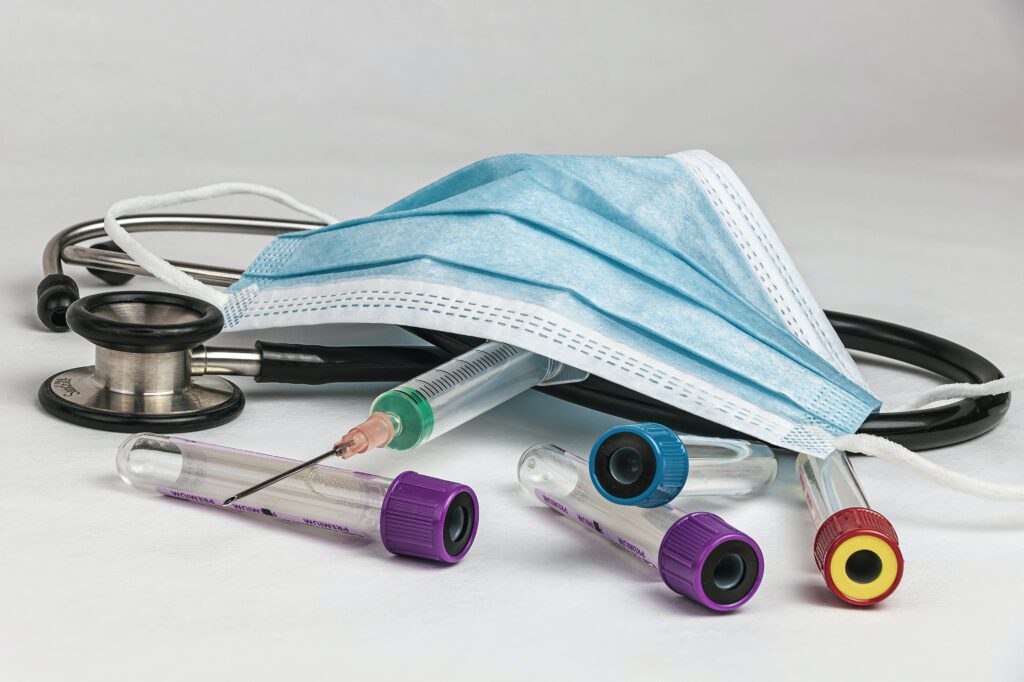
According to recent research, each year in the United States alone, 7,000 to 9,000 people die as a result of medication errors.
Additionally, it’s also reported that more than $40 billion is spent each year looking after patients and clients suffering from medication error-induced injuries and disabilities.
Furthermore, patients and clients and their families experience pain, stress, and discomfort as a result of the outcomes of medication errors.
What about the effect it has on healthcare institutions? Decreased trust in healthcare institutions and healthcare professionals; and an overall decrease in patient and client satisfaction.
NDDCCN Comes To The Rescue
To combat this anomaly, NDDCCN [National Drug Dosage Calculation Competition for Nurses] came up with an initiative to spread awareness of the importance of proper medication administration [from prescription, dispensation, and administration].
Nurses play vital roles in preventing medication errors, especially in healthcare institutions where most medication errors occur.
The National Drug Dosage Calculation Competition is primarily targeted at nurses, but it also has a wide-reaching effect.
Nurses Are Tasked With The Biggest Responsibility Here
We believe that if more nurses are aware of the negative and horrifying effects medication errors have on patients, practitioners, healthcare institutions, and the economy at large, they will become more vigilant and dedicated to spotting and stopping these errors and, in turn, preventing them and saving a lot of lives and resources.
Medication errors can occur at any of these points:
- Ordering/prescribing
- Documenting
- Transcribing
- Dispensing
- Administering
- Monitoring
When you look critically at the “Medication Administration” stages, you will find out that though all steps are important, the administration stage seems to be the final point.
It all culminates at the “administration” stage.
If there was a wrong prescription, bad documentation, poor transcribing, or even faulty dispensation, it’s the sole duty of the person administering the medication to stop the mistake from becoming a reality by properly identifying the error, which is almost always the nurse.
Nurses must be well knowledgeable when it comes to medication administration.
They should know everything, I mean absolutely everything, about a particular medication that has been prescribed for a patient.
They must know the proper dose, frequency, patient’s medication history [allergies], route of administration, and all other information associated with the medication prescribed for that patient.
And if they discover any sort of discrepancy, they have to call the attention of the person who prescribed that medication, and if the problem is not with the prescriber [which in most cases is the physician], then they should reach out to the person who dispensed it [the pharmacist].
And if the error did not come from the physician or pharmacist, the source of the error must be identified and immediately dealt with.
Or maybe the nurse needs to know why a particular medication was prescribed a certain way, he or she should immediately reach out. Most of the time, some specialists prescribe certain medications differently, and the nurse needs to know why.
That’s a lot of responsibilities they have on their shoulders.
You Can Make A Difference
“Medication errors cause at least one death every day and injure approximately 1.3 million people annually in the United States of America alone. While low- and middle-income countries are estimated to have similar rates of medication-related adverse events to high-income countries, the impact is about twice as much in terms of the number of years of healthy life lost. Many countries lack good data, which will be gathered as part of the initiative. “
Source: WHO
You have before you the opportunity to participate in one of the biggest nursing academic/clinical competitions in Africa—to show the nursing [and healthcare] community your dedication to excellence and safe/best practices and to get rewarded for it.
This is the first time in the nursing ecosystem in Nigeria and even Africa that an initiative like this one is being carried out [an edition was done last year].
The burden of medication errors on healthcare institutions and the economy at large is so glaring that in the year 2017, the World Health Organisation resolved to reduce the incidence of medication errors by half.
Yet, here we are, more than five years later, and we have not been able to achieve that goal.
Kindly register via this link.
And to know more about The National Drug Dosage Calculation Competition for Nurses In Nigeria, read this brief article.
P.S: This edition of NDDCCN is strictly for nursing students in Nigeria.
For sponsorships, partnerships, or enquiries: Email: [email protected], Twitter: @nddccnNigeria.

Care City Media
Related Posts
National Drug Dosage Calculation Competition For Nurses, 2024
Care City Media Partner Press
Read Now
Fact/Data On Top Priority Health Challenges In Nigeria: Focusing On Maternal Mortality And Diabetes Mellitus
Care City Media Partner Press
Read Now
Interview Sessions With Winners Of The National Drug Dosage Calculation Competition 2022
Care City Media Partner Press
Read NowWeekly Digest
Care City Weekly
The most important Ideas, insights, stories and news from Africa's healthcare ecosystem in your inbox weekly–created to keep you ahead!.
What you'll get:
Exclusive industry insights
Exclusive industry insights
Exclusive industry insights
No spam, unsubscribe anytime
"The weekly digest has become essential reading for our executive team. The insights are always actionable and ahead of the curve."
Dr. Sarah Mitchell
Chief Medical Officer, HealthTech Solutions