

Why Pre-Employment Medical Tests And Periodic Health Assessments Are Crucial For School And Child Workers
Published on: March 26, 2025

In the current global health landscape, where diseases are highly prevalent, assessing the health of employed workers in various occupational sectors is not just important but mandatory. This is especially vital for those working closely with children, where the risk of disease transmission is higher.
Pre-employment medical tests (conducted before hiring) and periodic medical tests (administered after employment) are critical tools for evaluating a worker’s fitness to perform their job effectively, efficiently and safely.
These tests are crucial in maintaining workplace safety, promoting employee wellbeing, and ensuring full compliance with health regulations.
Objectives Of Medical Tests
- Ensuring fitness for work.
- Preventing the spread of infectious diseases.
- Compliance with school health and safety regulations, e.g., School Health Programme (SHP).
- Protecting children’s health and wellbeing.
- Monitoring long-term health effects on workers.
Pre-employment Medical Tests
These health screenings are conducted before hiring an individual. They ensure that the individual is physically and mentally fit for the job and that no medical conditions will interfere with their ability to perform the job or pose any health risks to those they will be working with.
These include:
- Physical examination: Height, weight, and BMI check.
- Muscular tension tests such as pushing, pulling, and lifting.
- Blood tests: blood pressure, blood sugar test and pulse rate.
- Electrocardiogram for heart health.
- Infectious disease screening: tuberculosis test, hepatitis B and C screening, skin diseases, and respiratory illness check.
- Drug and alcohol testing.
- Immunization check: Measles, rubella, mumps, and tetanus vaccinations are current.
- Allergy tests.
Periodic Medical Tests
These are routine health assessments conducted periodically (at regular intervals) during employment. The aim is to prevent occupational hazards, monitor workers’ health, and detect work-related illnesses.
These include:
- Blood tests: blood pressure, blood sugar and pulse rate.
- Routine physical health assessment.
- Re-evaluation of infectious diseases.
- Lung function tests.
- Vision and hearing assessments.
- Mental health evaluation.
Children spend a significant amount of their time in school as they transition through different phases of learning. Therefore, it is crucial that both school staff and caregivers employed to look after these children maintain good physical and mental health.
Hiring the right individuals for positions within the school system is essential. The health status of prospective employees is a vital health regulation that every employer must consider.
To prevent the spread of infectious diseases among children, it is vital to consider the potential risks posed by staff members who may interact closely with them.
Activities such as playing, sharing utensils, or engaging in games that involve physical contact can lead to the transmission of illnesses.
Consequently, it is advisable to assess the baseline health of every employee before hiring.
Awareness and acceptance of pre-employment and periodic medical tests among school employees are crucial.
Unfortunately, consistent practices of these screenings are lacking among teachers and parents.
Studies highlight several factors limiting participation in medical checkups among school employees.
Despite being aware of their importance, many teachers do not undergo regular examinations due to time constraints and heavy workloads.
Additionally, some workers lack understanding of the benefits of regular health screenings, often focusing solely on making ends meet.
Financial constraints, inadequate encouragement from healthcare professionals, and time pressures are significant barriers to these health checks, making them seem less valuable.
For parents, particularly mothers, awareness of medical tests for school and child workers is minimal.
Their primary concerns often revolve around finding suitable caretakers for their children, leaving little room for health considerations.
Low perceptions of illnesses that may be transmitted from child workers and a lack of preventive knowledge further complicate the issue.
Factors influencing parents’ awareness include their educational background, socioeconomic status, and exposure to health information.

Common Illnesses Affecting Child-Workers And Children

Parents, school heads, and employers should be vigilant about illnesses that can easily spread among children and adults.
Here are some common ailments:
- Common Cold: The most frequent illness among children, spread in close-contact environments. Symptoms include muscle aches, fever, and headaches.
- Stomach Flu (Gastroenteritis): Caused by a virus, symptoms include nausea, vomiting, and diarrhoea. Those affected should rest, hydrate, and see a doctor if necessary.
- Hand, Foot, And Mouth Disease: Contagious and common in children and adults, symptoms include fever, sore throat, and blisters. Infected individuals should be isolated.
- Head Lice: Tiny parasites causing extreme scalp itchiness. Treatment involves medicated shampoos and decontaminating clothing and bedding.
- Influenza (Flu): A contagious virus leading to fever, body aches, and fatigue. Rest, fluids, and a yearly vaccine are recommended.
- Chickenpox: Characterized by an itchy rash and flu-like symptoms. Treatment includes itch relief cream and acetaminophen for fever.
- Meningitis: Inflammation of brain membranes caused by bacterial or viral infections. Vaccines can protect children.
- Tuberculosis (TB): A serious lung infection spread through coughing. Symptoms include cough, fever, and weight loss. Antibiotics are used for treatment.
- Hepatitis: Highly contagious liver infection transmitted through contaminated food or water. Symptoms include abdominal pain and jaundice. Medical attention is advised.
Regular health checks, including TB and hepatitis tests, are recommended for schools and child workers.
Benefits Of Pre-Employment And Periodic Medical Tests

Pre-Employment Medical Tests:
For Employers:
- Confirms candidates are fit for job tasks, reducing workplace accidents.
- Identifies health risks, promoting safety and compliance with regulations.
- Lowers health insurance costs by preventing high medical expenses from undiagnosed conditions.
- Prevents the spread of infectious diseases in the workplace.
For Employees:
- Early identification of potential health issues, ensuring a safe work environment.
- Boosts confidence in their health status and job capabilities.
- Promotes overall wellbeing.
Periodic Medical Tests:
For Employees:
- Reduces absenteeism and maintains a healthy workforce.
- Enhances morale and productivity.
- Improves workplace safety.
For Employers:
- Facilitates early detection of health issues, contributing to preventive care.
- Supports mental health by identifying stress and anxiety.
- Monitors long-term health effects related to work, enhancing overall productivity.
Challenges Of Pre-employment And Periodic Medical Tests
Many workers face difficulties in consistently undergoing medical tests due to several reasons, including:
- Cost and Accessibility: Health tests can be expensive and hard to access.
- Privacy Concerns: Fear of personal health information being exposed.
- Lack Of Insurance: Not having coverage for medical screenings.
- Job Security Fears: Worries about losing their job if they have health issues.
- Lack Of Awareness: Not knowing the importance of regular checkups.
- Inconsistent Demand: Fluctuating needs for screenings.
- Limited Facilities: Not enough healthcare options available.
- Time-consuming Procedures: Testing can take time, which many workers can’t spare.
Solutions
- Employers should educate workers on the importance of health screenings and motivate them to participate.
- Schools can provide testing kits for health conditions like HIV and tuberculosis to benefit both students and staff.
- Employers can offer health insurance options to cover screening costs.
- Schools should promote a discrimination-free environment for those with health issues, encouraging treatment.
- Government policies should mandate periodic health screenings for employment.

Summary
“Health is wealth,” a timeless adage that underscores the immense value of wellbeing, especially for those dedicated to nurturing and educating our children, such as school and childcare workers. Their role is not just important; it is foundational.
To foster a safe and thriving environment, regular medical screenings play an essential role in curbing the transmission of infections within school settings.
These proactive health measures protect the individuals directly involved and safeguard the broader community of students, families, and staff, ensuring that everyone can focus on learning and growth in a healthy atmosphere.
Conclusion
When a child falls ill, it profoundly affects their educational progress and the daily rhythm of a parent’s professional life.
The ripple effects of illness can disrupt learning and create stress for families. By implementing regular health screenings, we can significantly mitigate these challenges, ensuring that caregivers remain healthy and fully support children under their care.
While having stable employment is undoubtedly important, the ability to work effectively and maintain productivity in the face of challenges is even more essential for both personal wellbeing and family stability.

Oluwafemi Adekoya
Related Posts

Normalizing Constipation, 6 Dangers Beyond
Health & Wellbeing
Read Now
Women’s Health: Addressing Inequities In Medical Research And Treatment
Health & Wellbeing
Read Now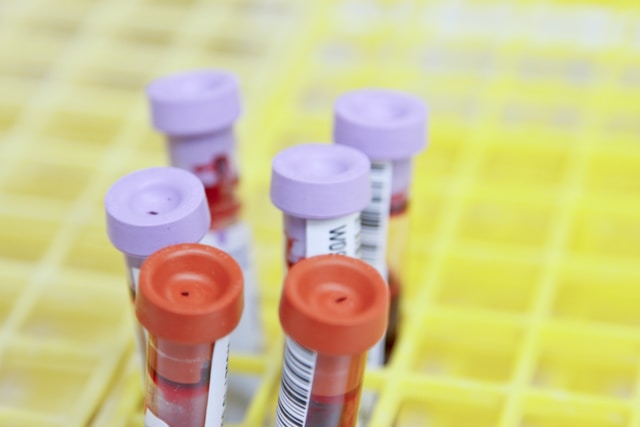
World Sickle Cell Day: Hope Through Progress: Advancing Sickle Cell Care Globally
Health & Wellbeing
Read Now